HarmonyGrass
About the project
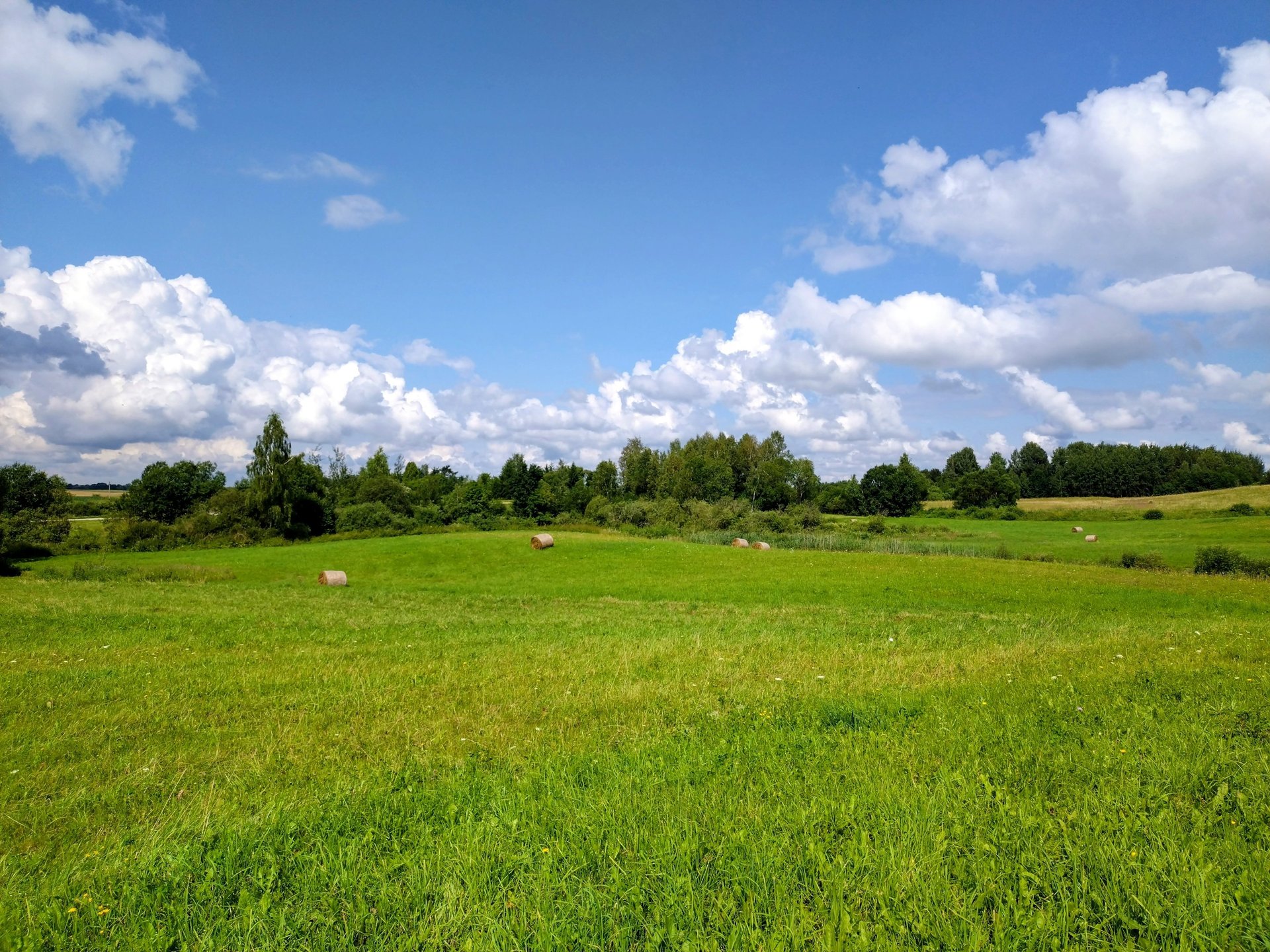
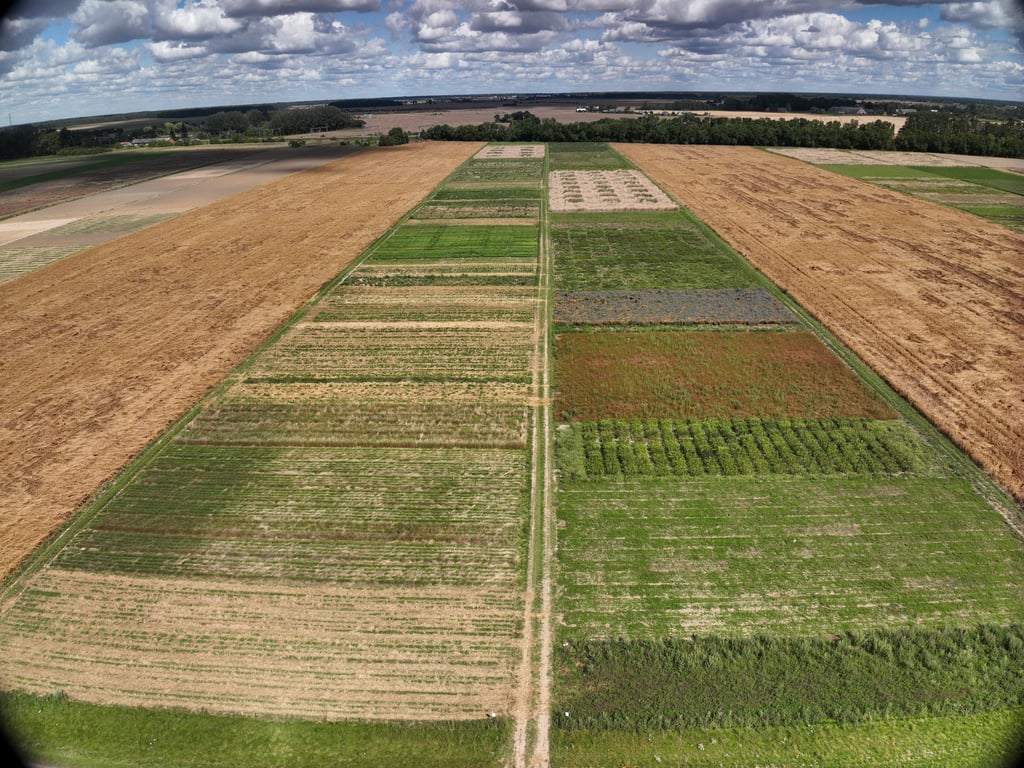
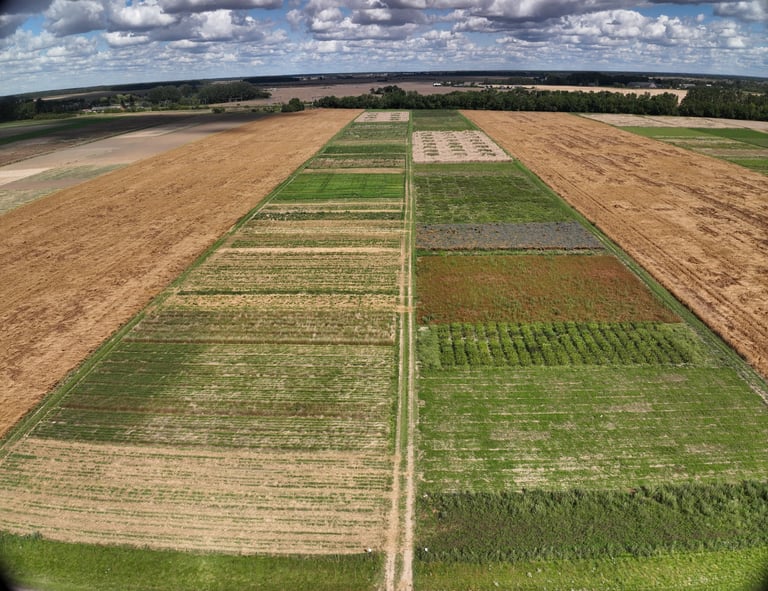
The project aims to increase the productivity, forage value, and biodiversity of low-yield grasslands.
HarmonyGrass Objective
HarmonyGrass Objectives
1) To develop suitable legume–grass mixtures based on local flora.
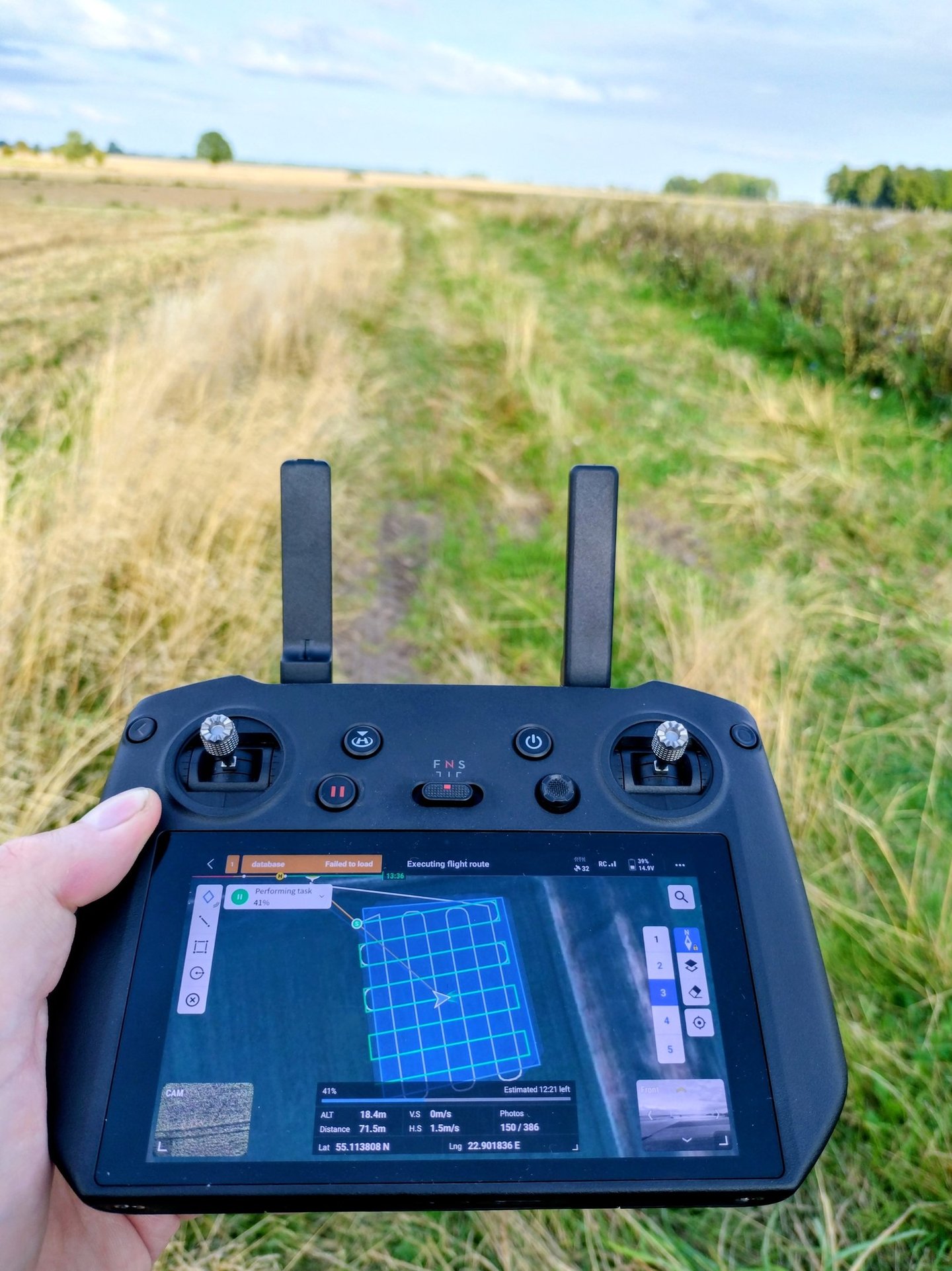
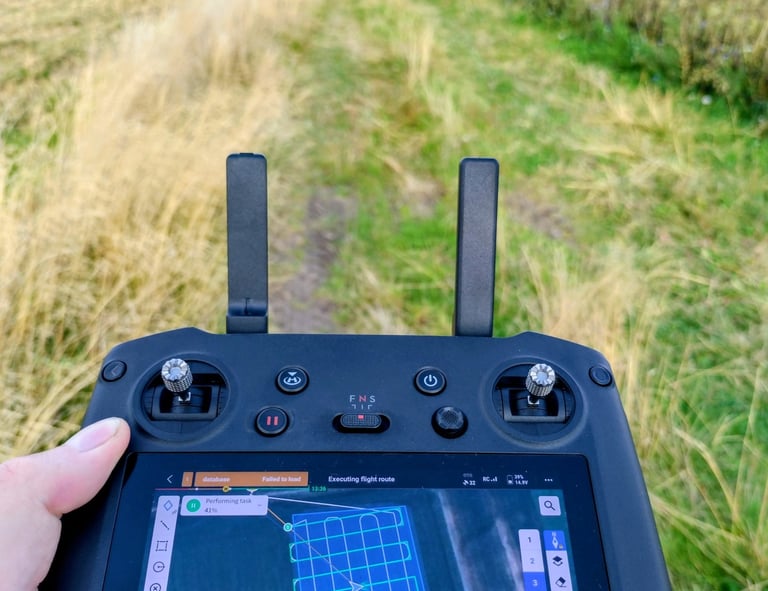
2) To apply unmanned aerial vehicles (UAVs) for grassland restoration.
3) To assess grassland biodiversity and forage value.
4) To use the results of the innovation for dissemination and education.
The project “Integrated legume grass systems for sustainable protein production and grazing” (HarmonyGrass) is being implemented under the intervention measure “European Innovation Partnership for Agricultural Productivity and Sustainability” of the Lithuanian Strategic Plan for Agriculture and Rural Development 2023–2027, No. 22BV-KK-24-1-05905-PR001.
Duration and Funding
Start date: 1 March 2025
End date: 29 February 2028
Funding: up to €174,022, of which up to €147,919 is funded by the European Agricultural Fund for Rural Development (EAFRD).
Project Partners
The project is implemented by the Lithuanian Research Centre for Agriculture and Forestry together with the following partners:
Partner No. 1: farmer Barintas Čepukaitis (Čepūkis)
Partner No. 2: farmer Vytautas Buivydas
Partner No. 3: farmer Darius Viliušis
Partner No. 4 (project consultant): Chamber of Agriculture of the Republic of Lithuania
Integration of legume–grass mixtures into low-yield grasslands
Mixtures
Legume–grass species are selected based on the prevailing flora of the grasslands, and mixtures with the most suitable proportions are developed.
Technologies
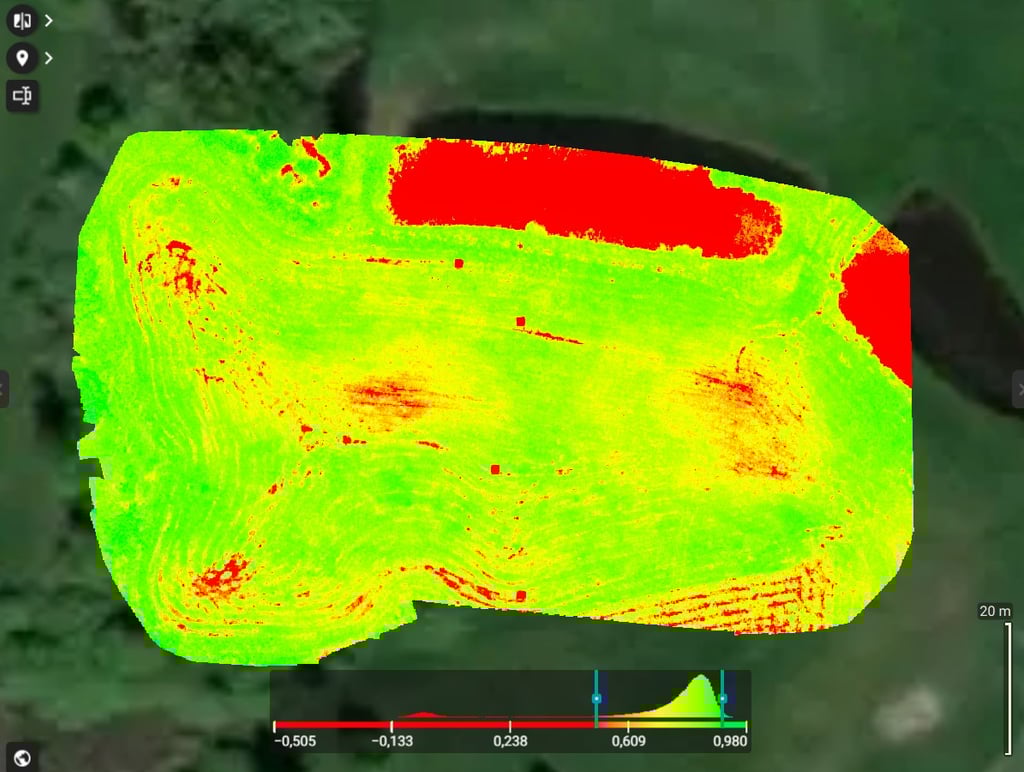
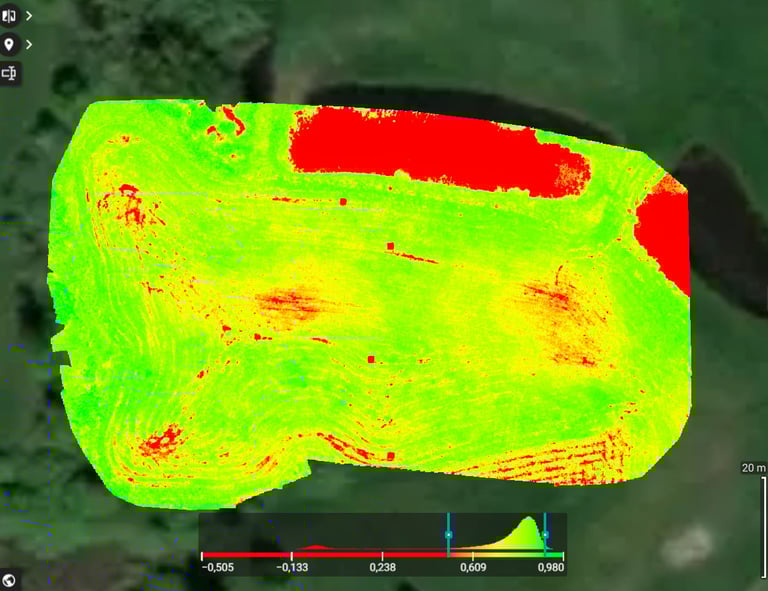
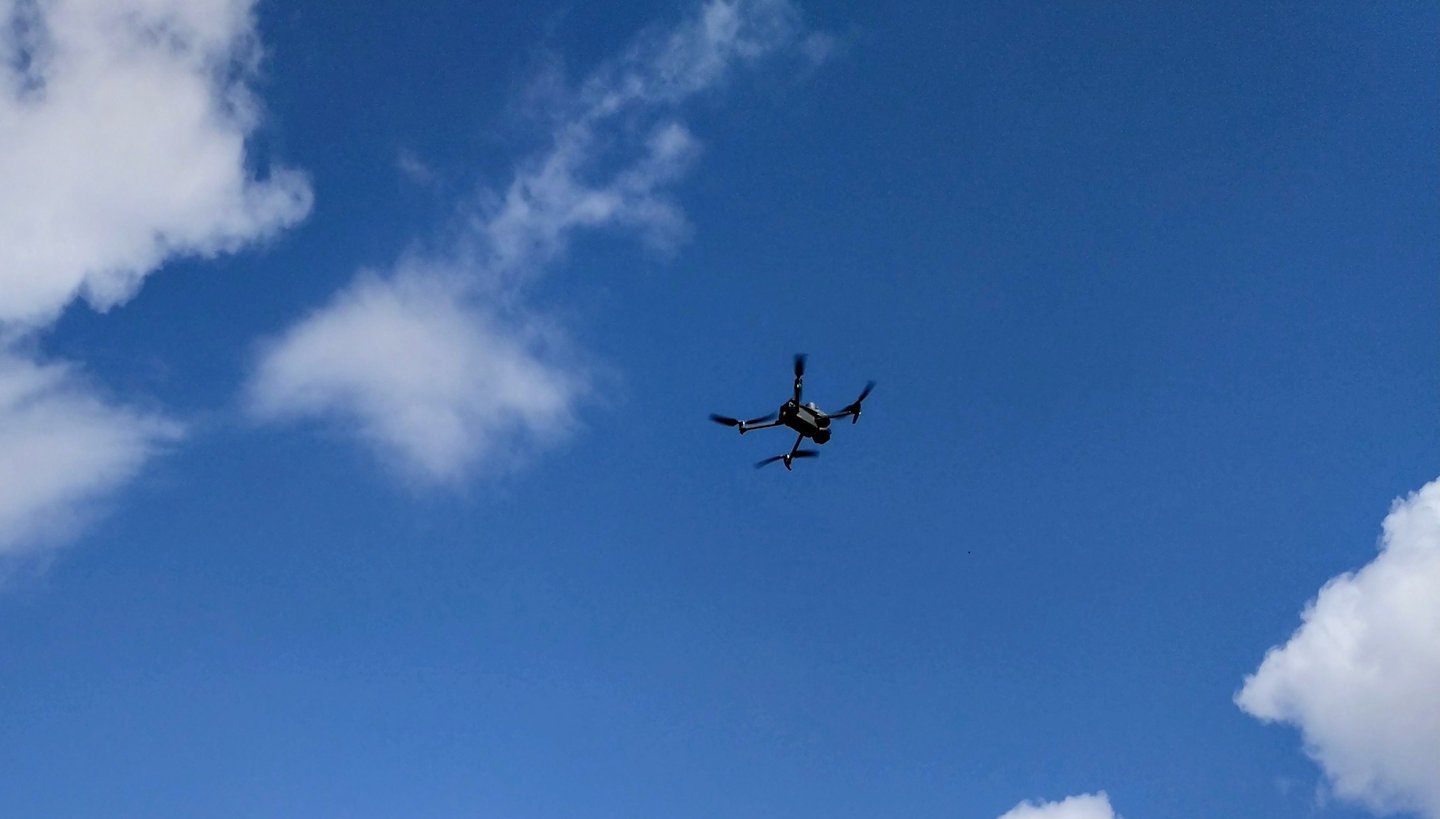
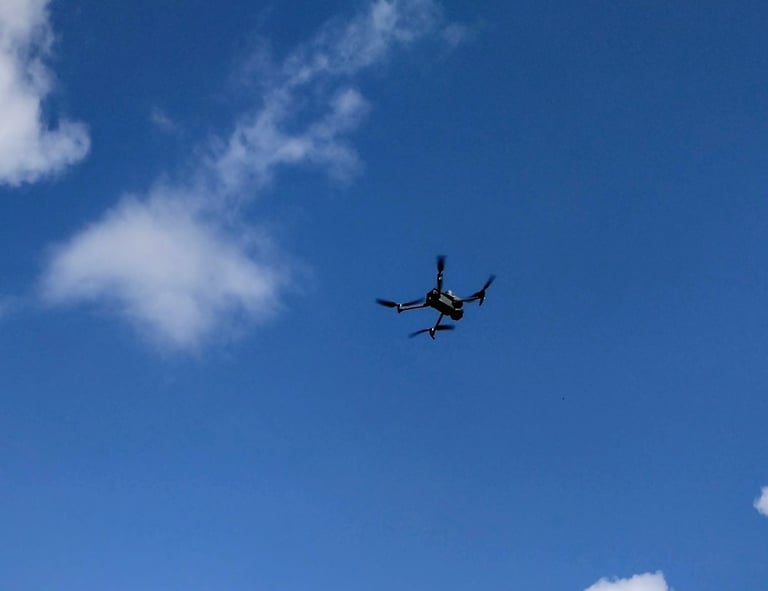
The project uses digital technologies, including the DJI Mavic 3 Multispectral, DJI Agras T25, and others.
Grassland species composition and its changes are assessed through monitoring.
Legume seed mixtures are treated with organic polymers and other substances that enhance germination.
Sowing time is selected methodically to simulate natural seed dispersal in nature.
Innovations
Ecology
The innovative technologies and methods applied in the project contribute to improving environmental indicators:
mitigation of climate change by reducing CO₂ emissions;
reduction of nitrogen fertilizer leaching;
reduction of soil compaction;
increased carbon sequestration.
Contact us
Follow us on social media
Phone
info@harmonygrass.lt
© 2026. All rights reserved.